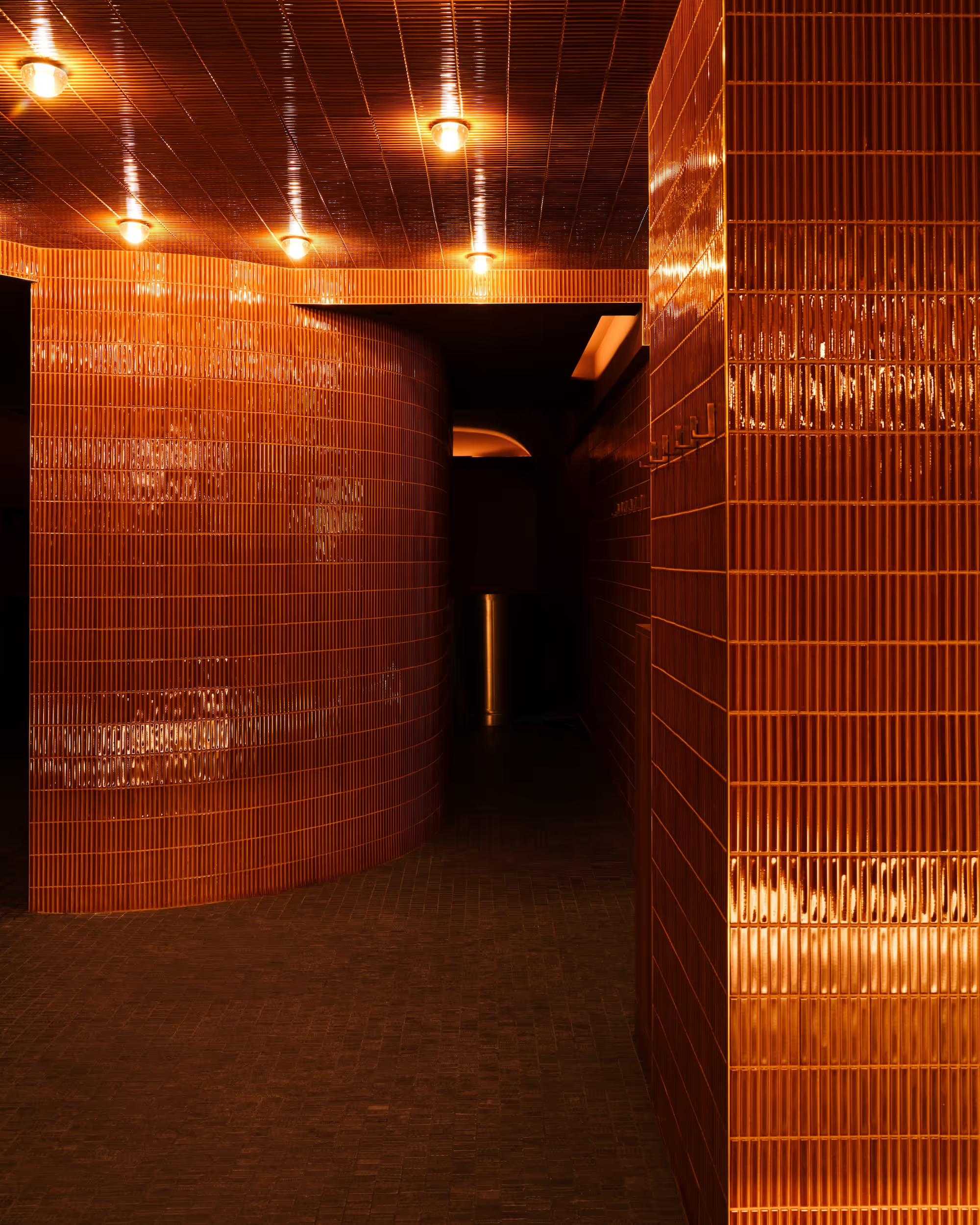
Sauna then cold plunge: what happens in the body, a simple cycle to start with, whether to finish hot or cold, and what the research actually says.
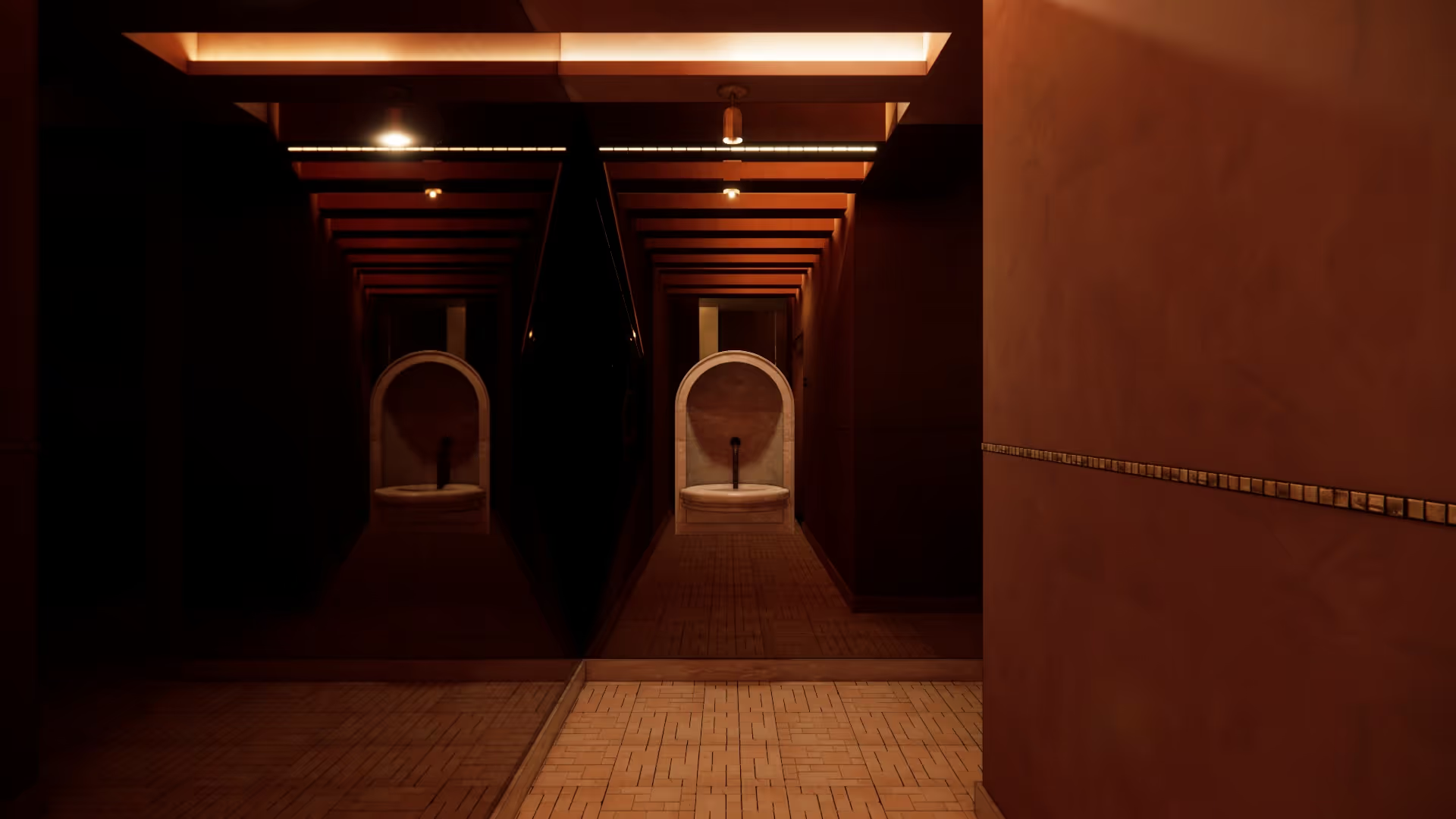
Contrast therapy means deliberately alternating heat exposure with cold exposure. In its simplest form: a few minutes in the sauna, a recovery break, then immersion in a cold plunge. The cycle can be repeated several times depending on your experience, your goal and the context.
The practice has existed in various forms for a long time: Nordic bathing, contrast hydrotherapy, hot-cold alternation after sport. What has changed today is the way it is structured as a wellbeing ritual: less as an ordeal, more as a sequence of sensations, with attention paid to breathing and recovery.
Heat increases blood flow to the skin, raises heart rate and triggers sweating. Cold does the opposite: it provokes an immediate stress response, notably faster breathing and peripheral vasoconstriction. Alternating the two therefore creates a very sharp physiological contrast.
That does not mean there is a universal formula or a guaranteed medical benefit. Studies on sports recovery suggest contrast therapy can reduce some sensations of soreness or fatigue compared with passive rest, but the literature remains mixed. For many people the clearest benefit is the experience itself: a very distinct change of state, followed by a feeling of returning to calm.
For a first experience there is no need to pile up rounds. A simple format is enough: one stay in the sauna until the heat feels sustained but comfortable, a calm exit, then a short cold immersion. You then recover at a neutral temperature before deciding whether to go for a second cycle.
The cold should be gradual. The aim is not to fight your own breathing, but to find a controlled rhythm again. If breathing becomes uncontrollable, or if you feel dizzy, numb or unwell, step out.
There is no universal answer. Finishing cold leaves a sharp, energising sensation; finishing with recovery at room temperature or slightly warm can feel gentler. For an evening session, some people prefer not to end on a very aggressive cold. After sport, the strategy also depends on the goal: fast recovery, a feeling of freshness, or long-term adaptation.
The best logic is to match the last stay to how you want to feel over the following hour.
Cold plunges can reduce perceived soreness after intense effort, and some work shows value in hot-cold alternation compared with passive rest. But systematically using a cold plunge immediately after every strength session may blunt some strength or hypertrophy adaptations. For an athlete, cold is therefore a tool to programme, not an automatic reflex after every workout.
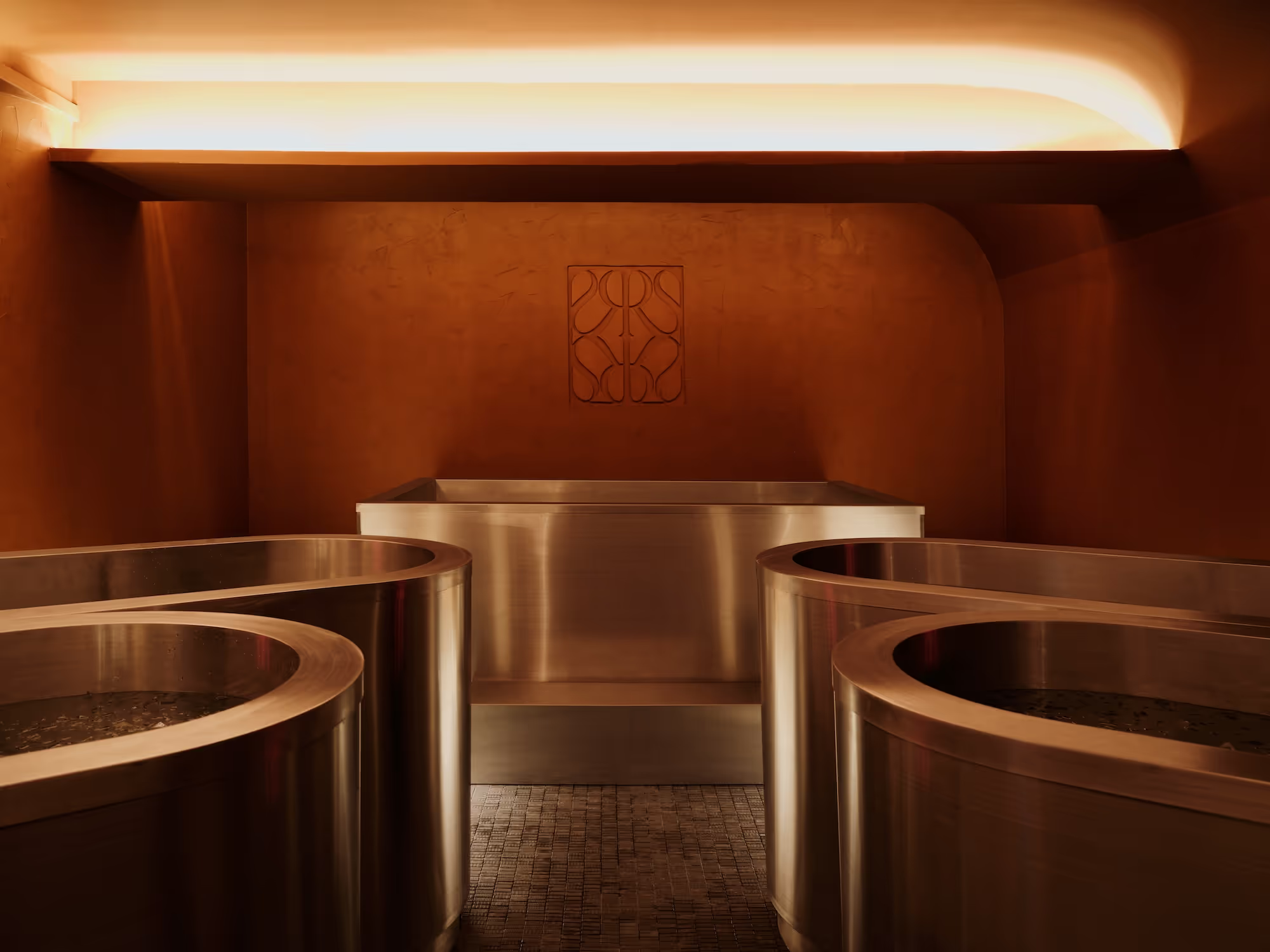
At Sant Roch, contrast therapy is designed as a complete ritual: heat, cold, breathing, recovery and repetition. The point is less to find a perfect protocol than to learn to adjust intensity and duration to what you feel. That is what turns hot-cold into a regular practice rather than an occasional challenge.
Our cold plunges in Paris are held between 5 and 10°C and follow the sauna within the same session. The full detail of free and guided rituals is on the sauna and cold plunges in Paris page.
This article is informational and does not replace medical advice.
Discover contrast therapy at Sant Roch: sauna, cold plunges and guided rituals in the heart of Paris.