Heat, pace, breathing, recovery: where the feeling of release after a sauna comes from, and how to turn it into a real ritual for switching off.
The sauna has been used for centuries for reasons that go well beyond physical performance. In Finland and elsewhere, it is first of all a place where you slow down. The heat, the absence of a phone, the relative silence and the repetition of the ritual create a clean break with the pace outside.
Science explains part of that sensation. During exposure, heart rate rises and peripheral circulation adapts to the heat. During recovery, some studies observe a favourable shift back towards parasympathetic activity, which is associated with a state of rest. But the setting matters as much as the physiology: a noisy, rushed sauna, or one experienced as a challenge, will be far less relaxing.
In a sauna it becomes difficult to do several things at once. You cannot walk fast, answer ten messages or jump from one task to another. That constraint becomes a quality: the body asks for attention.
Simply staying still for a few minutes and following your breathing can be enough to create a sense of separation. That is especially true when you enter the sauna with no intention of succeeding at anything, but simply of observing what happens.
Heat naturally speeds up the heart rate. Slow, unforced breathing helps keep a sense of control. You can simply lengthen the exhale a little and let the shoulders drop, without turning the sauna into a complex breathing exercise.
If breathing becomes difficult, or if you start to feel unwell, do not try to breathe through the discomfort: step out and recover.
Relaxation does not come only from the minutes spent inside the cabin. The phase that follows is often the most interesting: sitting down, letting body temperature come back down, drinking water and feeling the pace slow.
A study on heart rate variability after sauna observed a favourable modulation of autonomic balance during recovery. That kind of result does not allow anyone to promise a therapeutic effect, but it matches what many practitioners describe: the feeling of calm often arrives after the heat.
To turn the sauna into a relaxation tool, four details change everything: arrive without rushing, avoid aiming for a maximum duration, allow real rest between stays, and reduce stimulation before you leave.
You can also choose a guided ritual if you would rather be accompanied, or free practice if you want to stay entirely in your own rhythm. Both formats are detailed on the sauna and cold plunges in Paris page.
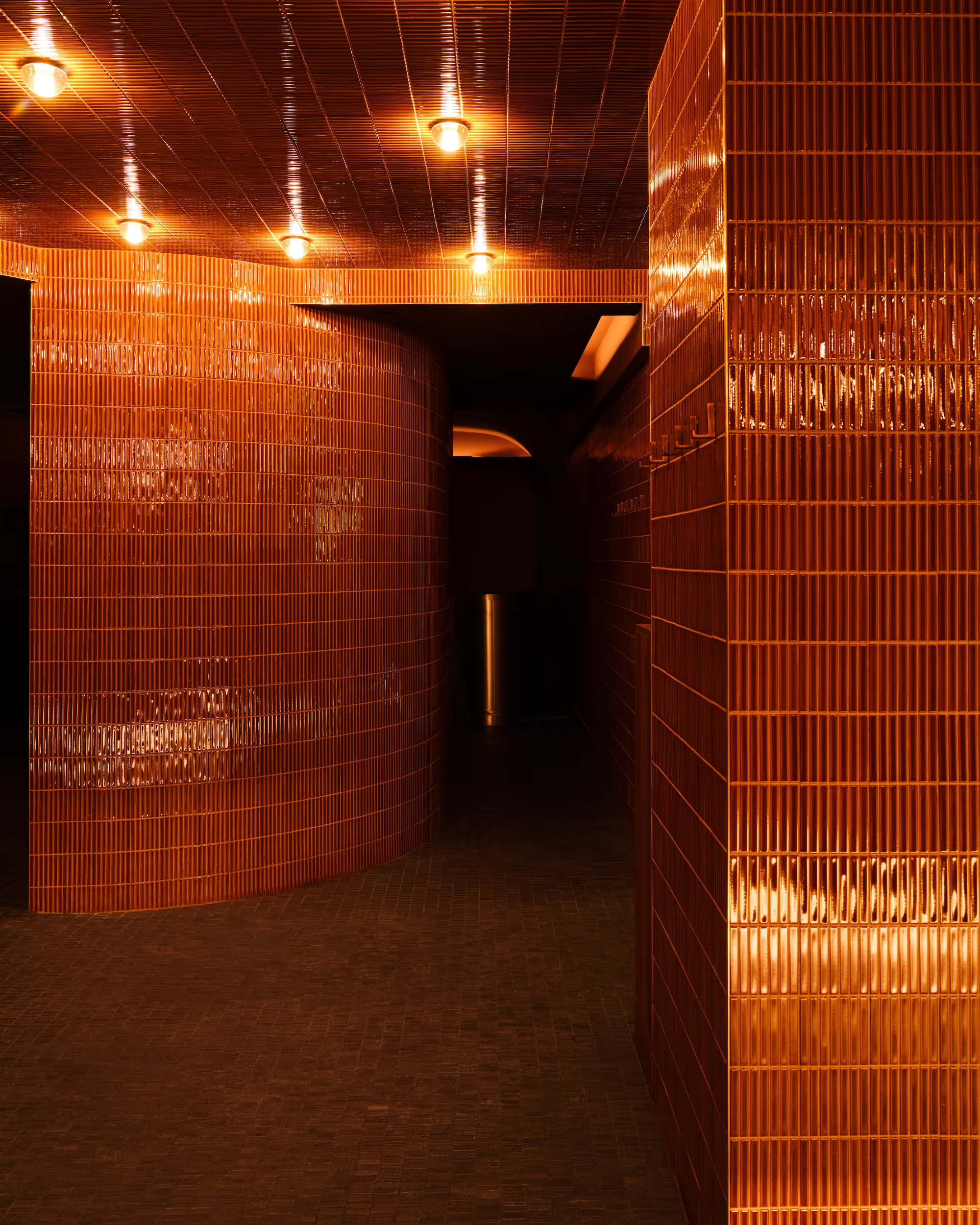
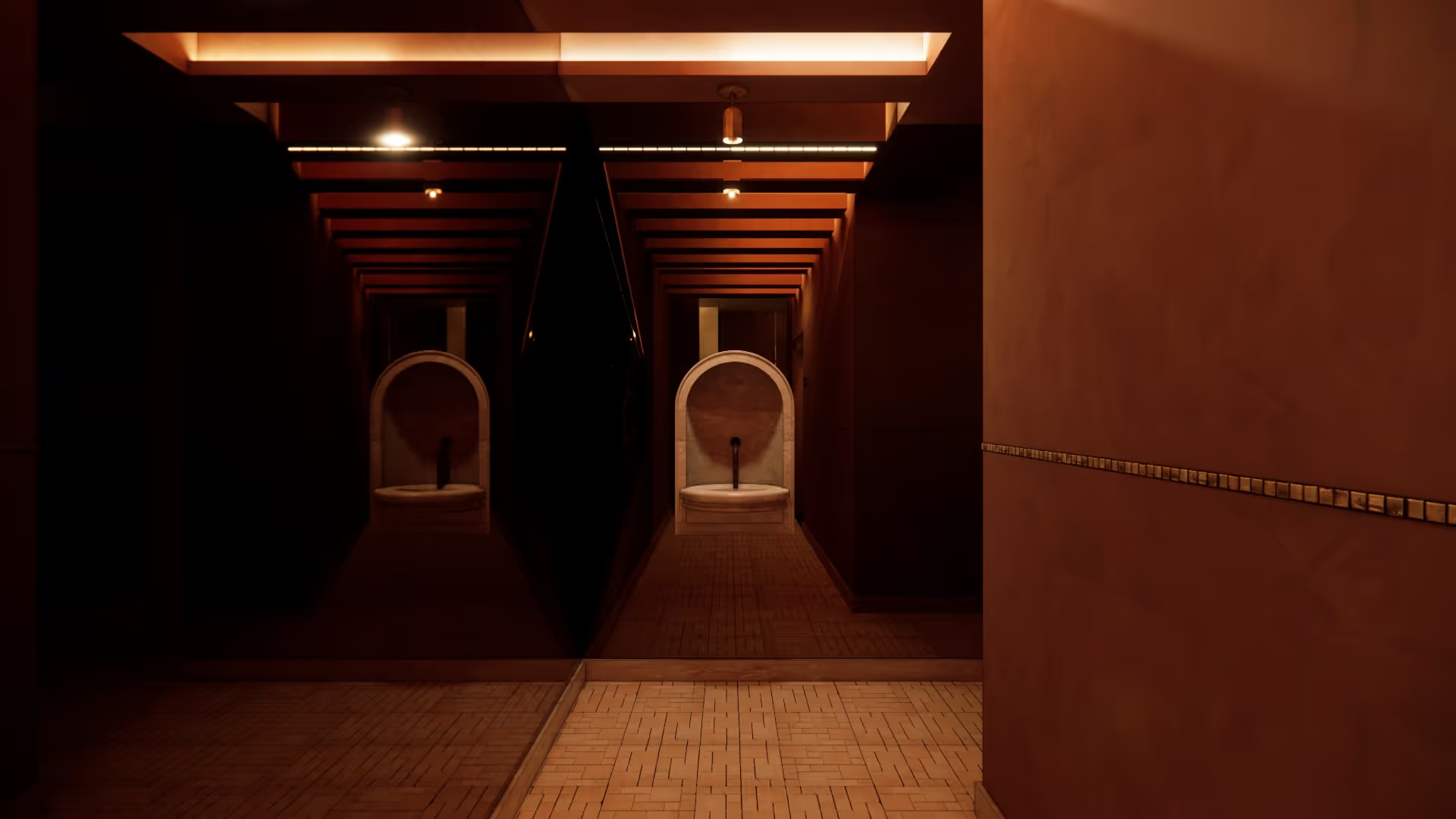
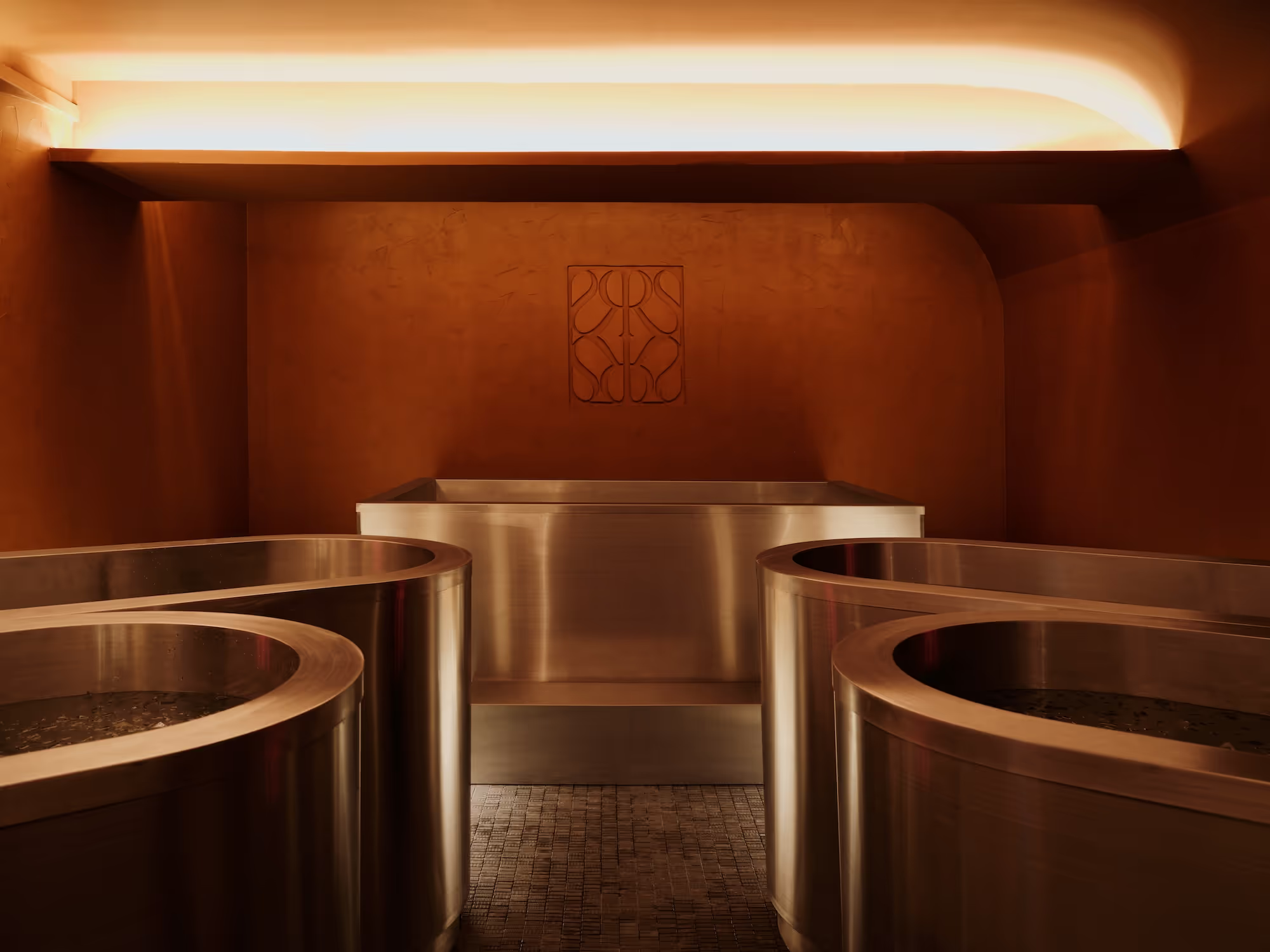
It is also why our sauna in Paris was designed as a calm, low-lit space facing the Tuileries, rather than as a gym.
This article is informational and does not replace medical advice.
At Sant Roch, the sauna and cold plunges in Paris are designed as a moment to switch off. Discover the free and guided rituals.